Commercial Waste Removal in Barking for regular collections and one-off clearances

Commercial waste removal in Barking should be straightforward, dependable and matched to the way your premises actually operate. We provide a service for businesses that need waste taken away without disrupting the working day, whether that means ongoing collections, help with a particular clearance or support for heavier items that need careful handling. The focus is on sensible, organised removal of commercial waste with clear communication and practical collection arrangements.
Different workplaces produce different waste streams, so our approach is built around the type of material and the pace of the site. Offices, shops, warehouses, hospitality premises and trades all create mixed waste in different ways, and our commercial waste removal service is designed to reflect that. If you need a tidy, methodical solution in Barking, the aim is to keep the process simple while handling the load responsibly.
For a quote, take a look at the service pages below and use the most relevant one for your waste type. You can also simply request a quotation through the site when you are ready to share the details of the job.
Business waste collected with practical scheduling
Business waste often needs a collection pattern that fits opening hours, access restrictions and storage limits. We deal with commercial waste removal as a practical service for ongoing disposal rather than as a one-off dump run. That may include office clear-outs, stockroom waste, packaging, broken furniture or general rubbish that has built up after a busy trading period. The important part is arranging collection in a way that keeps the premises usable.
Where the waste is clearly commercial, it helps to separate the likely route early. Our business waste removal page is the best place to start if you want a direct view of the core service for trading premises. For businesses that need a broader clearance rather than only routine bins, the waste removal page gives a useful overview of how mixed loads can be handled when the job does not fit a single narrow category.
Useful enquiries usually mention the general waste type, whether the material is bagged or loose, and any access points that matter for collection. If the load is bulky, awkward or spread across several areas, it is sensible to note that early. For a quick next step, gather the main details and ask for a quotation when convenient.
Office and workplace clearances

Office waste removal is often about removing discarded desks, chairs, shelving, filing material and general rubbish without upsetting the flow of the business. Some premises need a small clear-out after refurbishment or relocation, while others need a larger sweep of surplus items from storage rooms and shared spaces. Our service supports that kind of work with careful removal and a focus on keeping items moving out efficiently.
If your enquiry involves desks, partitions, storage units or other office furniture, the office clearance page is a relevant starting point because it matches the purpose of a business environment that has accumulated work items rather than household contents. For items that are mainly furniture, the furniture clearance page is also useful, especially when the removal is centred on bulky fittings that need to be carried out from internal rooms or upper floors.
Workplace clearances are easier to plan when the customer can say whether the job involves a few items or a fuller clearance of rooms, floors or storage areas. Access matters as well: lifts, stairs, loading points and restrictions inside the building all affect the collection plan. If you are preparing a quotation request, a short description of the space and the items is usually enough to begin.
Bulky furniture and fixed-out furniture disposal
Commercial waste removal sometimes means more than ordinary rubbish. Many businesses need bulky furniture removed when they refit, relocate or replace older items. That can include seating, cabinets, tables, reception furniture and other large pieces that are awkward to move and do not belong in standard waste streams. Our furniture-related services make it easier to deal with items that need separate handling from everyday rubbish.
When furniture is the main issue, the furniture disposal page gives a strong match for items that are ready to leave the premises. Where the job is more mixed, with a combination of furniture, packaging and general waste, the broader home clearance and house clearance pages are less relevant to most businesses than our commercial pages, so the better route is usually to stay with the trade-focused options already listed.
Some loads contain a mixture of styles and sizes, which can make them slower to remove than a stack of identical items. It helps to say whether the pieces are free-standing, built-in, broken down or still assembled. If you need a quotation, a simple list of the largest items and the approximate number of pieces will normally be more helpful than a long explanation.
Waste from shops, storerooms and customer-facing premises
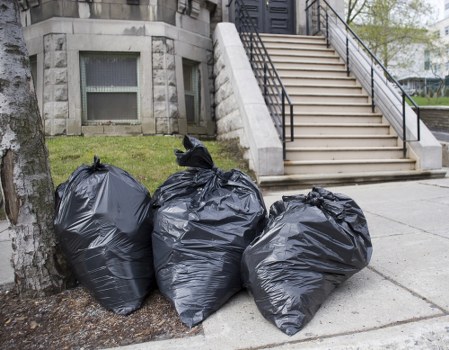
Retail and customer-facing premises tend to produce a blend of cardboard, packaging, unwanted display items, damaged stock and general rubbish. Commercial waste removal for these sites is about keeping floor space clear and making sure the waste leaves the premises in a controlled way. That can be especially useful after deliveries, stock changes, refurbishments or end-of-season reshuffles when stored material starts to affect daily operation.
The most relevant service page for this kind of work is often business waste removal, because it reflects a recurring commercial need rather than a domestic clear-out. Where the job involves old fixtures, shelving or large display furniture, furniture disposal may also be the closest fit. If the waste includes mixed loose items from several areas, the wider waste removal page can help you think through the likely scope before you ask for a price.
Retail enquiries are usually clearer when they mention whether the material is concentrated in one back room or spread through several areas. That detail helps distinguish a small collection from a fuller clear-out. When you are ready, use the relevant page to request a quotation and include the practical details that affect loading and access.
Builders waste and refurbishment debris
Commercial waste removal also covers the aftermath of light building work, fit-outs and refurbishments. Builders waste can include broken timber, plasterboard, packaging, offcuts, old fittings and general site rubbish left once trades have finished. The aim is to clear the waste in a way that supports safe movement through the premises and keeps the workspace manageable while work is still under way or just completed.
For this type of load, the most direct destination is builders waste clearance. If the job involves mixed rubbish rather than a tidy stack of construction waste, the waste removal page may be more appropriate. Where the work includes large household-style items removed from a commercial property, such as old furniture or appliances, it can also be useful to review the specific pages for those categories before deciding how to describe the job.
Refurbishment debris is often easiest to assess when the customer identifies what is loose, what is stacked and what may need to be carried from inside the building. A brief note about floor level, parking or loading access is often enough. If you need commercial waste removed after works, a plain enquiry with the main waste type and approximate volume is a sensible starting point.
Appliances, refrigeration and other awkward items
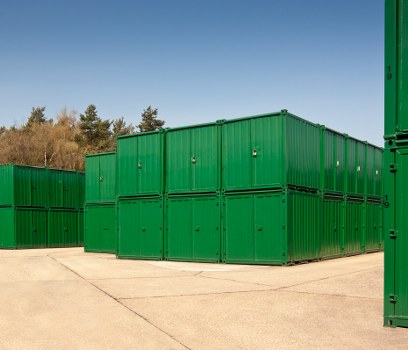
Some commercial waste removal jobs involve items that are not simply bulky but also awkward to move because of size, weight or handling requirements. Fridges, freezers and similar appliances can appear in shops, cafés, offices and storage spaces, particularly when premises are replacing equipment or clearing older stock. Handling these items carefully matters because they are heavy, space-hungry and often awkward through corridors, stairwells or service areas.
If appliances are the main part of the job, the most relevant page is fridge and appliance removal. Where the clearance includes a broader mix of domestic-style bulky items in a business context, the mattress and sofa disposal page may also help identify related categories, although the commercial pages remain the best fit for most businesses. The point is to match the service to the kind of item so that the request is accurate from the outset.
When appliances are involved, it is worth noting how many units there are and whether they are already disconnected or still in position. Not every collection is identical, and those details help keep the plan realistic. For a sensible quotation, a short description of the equipment and where it sits in the premises is usually sufficient.
Garden, outside and back-of-site waste for businesses
Commercial waste removal is not limited to indoor spaces. Many businesses also generate outdoor waste from grounds, yards, plant areas or rear access routes. That can include broken outdoor furniture, old fixtures, green waste, bags of mixed rubbish, and material left after tidying a frontage or service area. The right service keeps exterior areas clear without turning the job into a prolonged disruption.
If outdoor material is the main issue, the garden clearance page is a practical place to begin because it covers green and outside waste that can also arise on commercial sites. For items stored in garages or secondary structures, the garage clearance page may be helpful too, especially where the space has become a holding area for old stock, broken equipment or mixed rubbish. These pages help distinguish between outdoor waste and internal office or shop waste.
Businesses often find it useful to sort exterior waste into broad groups before asking for a price: green material, broken furniture, packaging or mixed rubbish. That makes it easier to understand whether the job is simple or whether several waste types are involved. If you are ready to move things along, ask for a quotation and describe the outside area in plain terms.
Storage rooms, lofts and spare areas used by businesses
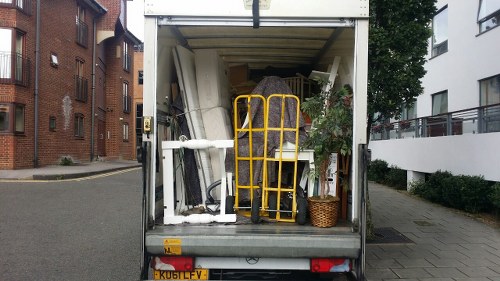
Commercial premises often have spare areas that slowly fill with obsolete stock, archived material, broken fittings and things that are no longer needed day to day. Storage rooms, lofts and back rooms can become difficult to use once they are partly blocked, and clearing them can make the rest of the building easier to manage. Our commercial waste removal service can help with those accumulated items as part of a structured clearance.
The pages for loft clearance and garage clearance are useful when the waste is concentrated in an upper or secondary space, especially if access is tighter than in a standard room. For broader room-by-room work, flat clearance and home clearance are less commercially focused, so the better route for most businesses is to keep the enquiry with the waste type and the kind of space involved.
These locations often contain mixed material rather than one neat category, so a short list of the main items is usually enough. If the area includes boxed goods, loose rubbish, shelving or old equipment, mention that up front. Clear access details can help, but you do not need to over-explain; a brief quotation request with the basics is usually all that is required.
Price factors, sorting and useful quotation details
Commercial waste removal pricing usually depends on the type of material, the amount to be collected and the practical work involved in loading it. Mixed loads can take longer than single-category waste, and awkward access can also affect the plan. Rather than guessing, it is better to describe the job in a way that shows what kind of waste is involved, where it is located and whether it is already grouped together.
Our pricing and quotes page is the best place to start if you want to understand how a quotation is approached. If you want to think about environmental handling as well, the recycling and sustainability page gives useful context for how waste streams are considered after collection. For certain specialist loads, including sensitive or controlled material, the hazardous waste disposal page may be relevant, although it should only be used where the material truly fits that category.
When asking for a quote, it is sensible to note the item type, quantity, floor level and access route, plus any unusual handling concerns. Two short paragraphs are often enough to cover everything important: one for what needs removing and one for where it is located. If you prefer, you can keep it brief and simply ask us to quote the job.
About Barking
Barking is a district in east London with a long history shaped by river trade, religious foundations and later industrial growth. It sits within the London Borough of Barking and Dagenham and lies close to the north bank of the River Thames, with the River Roding also forming part of the local landscape. Barking Abbey, founded in the 7th century, became one of the most significant religious houses in medieval England, and its legacy still shapes the historic centre around Abbey Green and nearby streets. The town’s older core sits beside later development, creating a mix of historic fragments, residential streets and newer civic spaces. Barking station gives the area strong transport connections, while Barking Riverside on the Thames has become one of the best-known large-scale regeneration areas in the district. The Abbey Ruins, Eastbury Manor House and the Broadway shopping area are among the most recognisable local landmarks, and the town centre is further defined by market activity, public buildings and the riverside setting. Creekmouth, Gascoigne and Thames View are names that appear in discussions of the wider district, while the presence of the river, former docks and modern housing developments reflects the area’s changing character over time. Parks and open spaces, including Barking Park, add green relief to a place that has evolved from a historic settlement into a busy urban centre with strong links to neighbouring parts of east London. The combination of heritage, transport corridors, waterway edges and regeneration gives Barking a layered identity that is both old and still changing.
Large clear-outs, phased collections and contact options
Some commercial waste removal jobs are straightforward, while others are better handled in stages. A phased collection can suit premises that cannot be cleared all at once, or businesses that are sorting waste as part of a wider move, refit or stock change. In those situations, the most helpful thing is to identify the different waste groups so that the collection plan can be shaped around them rather than trying to force everything into one description.
If the material spans several categories, the relevant pages may include house clearance or furniture clearance only where the item type genuinely matches, but most business jobs will remain better aligned with the commercial and waste-specific pages already mentioned. For customers who want a more direct start, the contact us page is available for making an enquiry, and book online can be useful where you already know the job details and want to move ahead.
Whether the job is a single-room clear-out or a broader business waste removal task, the simplest route is to keep the description plain and factual. Tell us what needs removing, where it is and what type of premises it is in, then request a quotation when you are ready. That gives a clear basis for arranging the right commercial waste service in Barking.