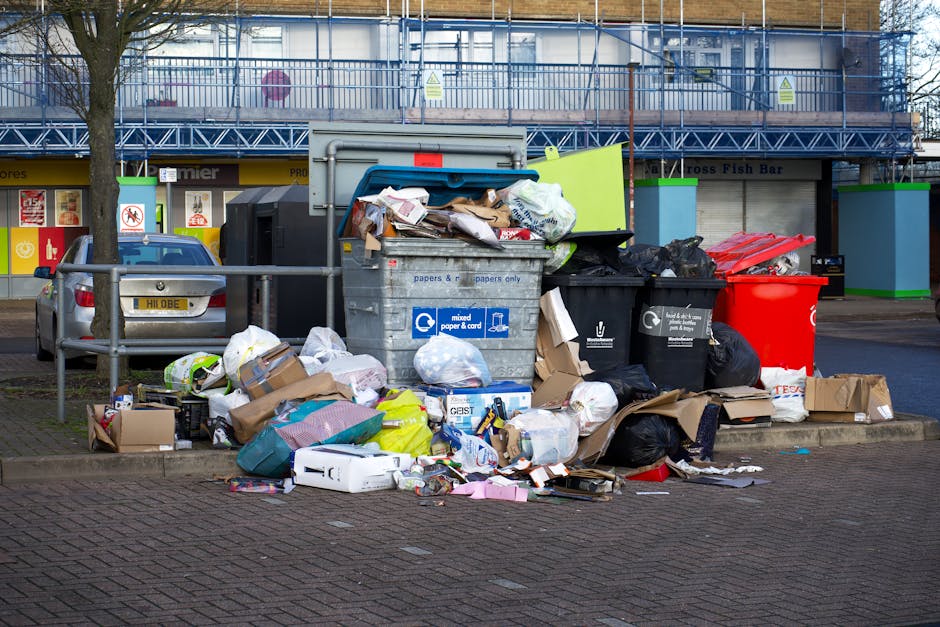
Common problems when disposing bulky waste in Barking

If you have ever stared at an old sofa, a broken wardrobe, or a fridge that somehow got heavier overnight, you already know the feeling: bulky waste is awkward. In Barking, the job can be even trickier because access, parking, building layouts, and collection rules can all get in the way. The good news is that most of the common problems when disposing bulky waste in Barking are predictable, which means they can be planned for. And once you know what usually goes wrong, the whole process becomes a lot less stressful.
This guide breaks down the real-world issues people run into, how bulky waste disposal normally works, and what to do if you want a cleaner, quicker, less frustrating result. No fluff. Just the practical stuff that saves time, avoids extra costs, and helps you make a sensible choice.
One quick note before we start: bulky waste is rarely just "large rubbish." It often involves sorting, lifting, booking, access, and sometimes specialist handling. That is where the problems begin.
Why Common problems when disposing bulky waste in Barking Matters
Bulky waste causes more hassle than most people expect. A single item can block a hallway, fill a van, damage walls on the way out, or attract fly-tipping if it is left sitting around too long. In Barking, where many homes, flats, and commercial premises have tighter access and shared spaces, those issues tend to show up fast.
It matters for three simple reasons. First, time: if collection is delayed or access fails, the whole job can stall. Second, cost: one missed lift, one unnecessary trip, or one incorrect item can make disposal more expensive than it needed to be. Third, safety: lifting heavy furniture or broken appliances without preparation can go badly wrong. Let's face it, nobody wants a twisted back because a wardrobe seemed "not that heavy" until it reached the stairwell.
There is also the community angle. If bulky waste is left in communal areas, it can become an eyesore and a nuisance for neighbours. And if it is dumped improperly, the clean-up becomes somebody else's problem. That is not fair on anyone.
In practical terms, understanding the most common problems helps you choose the right disposal route the first time. That usually means fewer surprises, a tidier result, and less last-minute panic on collection day.
How Common problems when disposing bulky waste in Barking Works
Most bulky waste disposal jobs follow a similar pattern. You identify what needs removing, decide whether it is standard household furniture, appliance waste, mixed junk, or something more awkward, then arrange collection or drop-off through an appropriate route. Sounds simple. In practice, the problems appear in the gaps between those steps.
For example, a sofa might seem straightforward until you realise it will not fit through the front door unless the feet are removed. A fridge may be accepted for collection, but only if it is unplugged and clear of food or liquids. A pile of mixed waste might need separating because one item is recyclable, one is not, and one is best handled separately. That sort of thing.
In Barking, access is often part of the story. Flats above shops, estate roads, permit-controlled streets, tight stairwells, lift restrictions, and limited loading space can all affect how a collection is handled. This is where planning matters more than people expect. A quick check before the day can prevent the classic "we got there, but we couldn't actually get the item out" problem.
If your bulky waste is part of a bigger clear-out, it may also overlap with other types of removal. For example, furniture might come with general clutter, broken shelving, or old appliances. In those cases, a broader service such as house clearance or furniture clearance may be more practical than dealing with each item separately.
Key Benefits and Practical Advantages
When bulky waste is handled properly, the benefits are obvious, but worth spelling out.
- Less stress: You avoid last-minute rearranging, failed collections, and awkward lifting.
- Cleaner spaces: Items leave your hallway, garden, garage, or office without dragging dirt everywhere.
- Better safety: Proper handling reduces the risk of injury and damage.
- More predictable costs: Clear planning helps avoid avoidable extras.
- Improved recycling chances: Some items can be separated and processed more responsibly.
There is a quieter benefit too: momentum. Once bulky waste is gone, the whole property often feels different. A cluttered spare room suddenly becomes usable. A garage can breathe again. Even a small flat can feel less boxed-in. You notice the space in a new way, especially in the late afternoon when the light comes through and the place finally feels open again.
If you are clearing multiple categories of waste, it can help to think beyond the single item in front of you. A service like waste removal can be a more practical fit when bulky items sit alongside mixed rubbish or general unwanted contents.
Who This Is For and When It Makes Sense
This topic matters to a lot of different people in Barking, not just homeowners. A landlord clearing a vacant flat, a tenant leaving a property in good shape, a shop owner replacing damaged fixtures, or a family dealing with a long-overdue clear-out can all face the same basic problems.
It makes sense to think about bulky waste disposal early if:
- you have a sofa, mattress, wardrobe, bed frame, or appliance to remove
- the item is too large for standard bins or regular rubbish collections
- the property has tight access, stairs, or shared entrances
- you need several items removed at once
- you want to reduce handling, waiting time, or disruption
- the waste is mixed with other clutter or clearance work
If your items are spread across a garage, loft, or outbuilding, the job may be broader than it first appears. In that case, a service such as garage clearance or loft clearance may be the more sensible route.
To be fair, many people wait until the problem becomes urgent. A deadline is looming, the move-out date is near, or the room is simply unusable. That is normal. But if you have a bit of time, planning the disposal early usually gives you more options and less stress.
Step-by-Step Guidance
Here is a simple, practical way to deal with bulky waste without turning it into a weekend headache.
- List everything that needs to go. Walk through the space and write down each item. Be honest about size, weight, and condition. A quick note on whether it is broken, recyclable, or potentially reusable helps later.
- Check access. Measure doorways, hallways, stair turns, lifts, and any narrow points. If you live in a flat, think about communal corridors and loading space outside. Small details matter more than people expect.
- Separate special items. Fridges, freezers, mattresses, damaged electronics, and potentially hazardous materials should be treated carefully. If in doubt, keep them out of the general pile until you know the right route.
- Decide what service fits. A single sofa and a couple of chairs might be simple. A full room of mixed items might suit a broader clearance approach. If you are dealing with commercial stock, office furniture, or repeated waste, consider a more structured option such as business waste removal or office clearance.
- Prepare the items. Empty drawers, remove loose contents, tape up any sharp edges, and disconnect appliances safely. If an item can be dismantled without making it dangerous or unstable, that often helps.
- Confirm what is included. This avoids the classic surprise where the team arrives and says one item is outside the agreed scope. Nobody enjoys that conversation. Nobody.
- Clear a route out. Move small obstacles, protect corners if needed, and make sure parking or loading access is as clear as possible on the day.
- Think about aftercare. Once the bulky waste is gone, check for dust, screws, marks, or leftover bits. A quick sweep at the end saves another job later.
If you want to book rather than manage it all piecemeal, an organised option like book online can be a straightforward next step, especially when timing matters.
Expert Tips for Better Results
After seeing plenty of awkward removals, a few habits stand out. They sound small, but they make a big difference.
Start with access, not the item. People often focus on weight first. In reality, access is what creates most delays. A lightweight item can still be impossible to move if the turn in the stairwell is too tight.
Be ruthless about sorting. Mixed piles slow everything down. A neat, grouped layout is easier to assess and usually faster to remove. If you have furniture with other clutter, a service such as home clearance can keep the job more organised.
Use the right specialist route for the item. A mattress, sofa, fridge, or garden debris may each need a slightly different plan. For instance, mattress and sofa disposal can be useful when soft furnishings are the main issue, while fridge and appliance removal makes more sense for white goods.
Keep an eye on handling risks. Broken wood, exposed springs, shattered glass, rusted metal, or damp materials can all create problems. If an item looks unstable, do not force it. A slightly slower plan is better than an avoidable injury. That is just common sense, really.
Plan for the real world, not the ideal version. Weather, traffic, parked cars, and neighbours using the same entrance can all affect timing. A collection arranged at 10:00 can feel very different at 10:20 when a delivery van is blocking the only sensible route. Happens all the time.
For outdoor items, especially old fencing, broken garden furniture, or cuttings mixed with bulky debris, a dedicated garden clearance option may be the cleanest fit.
Common Mistakes to Avoid
Most bulky waste problems are not dramatic. They are small mistakes that stack up.
- Leaving everything until the last day. Rushed decisions nearly always lead to higher stress and fewer choices.
- Assuming all large items are treated the same. They are not. A sofa, fridge, mattress, and cabinet may all need different handling.
- Forgetting about access routes. A narrow stairwell, a lift with size limits, or a tight front path can stop the job cold.
- Mixing clean recyclable items with messy waste. That can reduce what can be recovered and make the job harder to process responsibly.
- Not checking whether something contains hazardous components. Old electronics, appliances, or damaged materials may need special handling.
- Overestimating what you can lift safely. A two-person job is still a two-person job, even if one person is very determined.
- Failing to measure bulky items. The difference between "it should fit" and "it definitely does not fit" is often a tape measure.
One small but common issue is storage creep. People keep old furniture "just for now" in the garage or spare room, and six months later it has become part of the scenery. You stop seeing it. Then one day you do. And there it is, still there, looking smug.
Tools, Resources and Recommendations
You do not need much fancy equipment, but a few basic tools can make bulky waste disposal easier and safer.
- Tape measure: Useful for checking item size against doors, stairs, and lifts.
- Gloves: Helpful for grip and protection, especially around rough wood or metal edges.
- Strong bags or boxes: Handy for screws, loose fittings, and smaller bits removed from larger items.
- Blankets or corner protection: Useful for protecting walls, flooring, and door frames during movement.
- Basic screwdriver or Allen key set: Good for dismantling items where safe and practical.
As a general rule, if the item is awkward, heavy, or tied to another room's clear-out, it is worth looking at the broader picture rather than the item alone. For example, furniture-heavy jobs may fit neatly with furniture disposal, while mixed domestic items might be simpler through flat clearance or house clearance.
If you care about how the waste is treated after collection, look for strong recycling and sorting practices. A responsible route should aim to separate reusable or recyclable material where practical. That is better for the environment and usually makes the whole process feel less wasteful. There is something reassuring about that, honestly.
For more background on how materials are handled, the site's recycling and sustainability page is a useful reference point.
Law, Compliance, Standards, or Best Practice
When dealing with bulky waste, it is wise to follow accepted UK waste-handling best practice. You do not need to become a legal expert, but you should be careful about where the waste goes and who removes it. If waste is handed to the wrong person or disposed of improperly, responsibility can become messy very quickly.
The safest practical approach is simple: use a provider that is transparent about handling, insurance, and safety processes, and keep clear records of what was removed if you are responsible for a property or business. If the waste includes potentially risky items, be even more cautious. Items such as certain appliances, chemicals, contaminated materials, or broken components should not be treated like ordinary household clutter.
For business premises, additional care makes sense. Office furniture, confidential materials, or mixed workplace waste can bring extra handling requirements. In those cases, it may be appropriate to look at confidential shredding for sensitive paper waste, or review operational documents like health and safety policy, insurance and safety, and payment and security if you want to understand the standards behind the service.
For items that are not safely handled as ordinary bulky waste, a specialist route such as hazardous waste disposal may be more appropriate. Better to pause and check than guess. Truth be told, guessing is expensive when waste is involved.
Options, Methods, or Comparison Table
There is no single best method for every bulky waste job. The right option depends on how much you have, how quickly it needs removing, and how easy the site is to access.
| Method | Best for | Pros | Watch-outs |
|---|---|---|---|
| DIY removal | Small items, easy access, short distances | Can be flexible and low-cost if you already have transport | Heavy lifting, loading risks, disposal rules, time pressure |
| Skip hire | Ongoing work, mixed materials, bigger projects | Good for larger volumes and staged loading | Needs space, permissions, and sorting discipline |
| Bulky item collection | Sofas, wardrobes, mattresses, appliances | Simple for single or grouped items, less manual effort | Access issues and item restrictions may apply |
| Full clearance service | Whole rooms, flats, garages, offices, or estates | Best for mixed loads and time-sensitive clear-outs | Usually not the lightest option if you only have one item |
If your job is just one awkward item, a direct disposal route may be enough. If it is several items spread through a property, a wider clearance often makes more sense. That is usually where people save time. Not always money, but definitely time.
Case Study or Real-World Example
Here is a typical Barking scenario. A tenant is moving out of a two-bedroom flat near a busy road. There is a large wardrobe in the main bedroom, a mattress in the second room, and an old sofa in the lounge. On paper, it sounds manageable. In reality, the stairwell turns are tight, the lift is too small for the wardrobe, and parking outside is limited.
At first, the tenant tries to shift the wardrobe alone. It gets halfway to the door and stops. Not because it is especially huge, but because the hallway bend makes it awkward. So they pause, measure the doorway, remove the shelves, and plan a safer route. They also group the smaller items together so the collection does not need several separate trips.
The result is simple: fewer delays, less damage risk, and a much cleaner move-out. The biggest win was not brute force. It was sorting the problem properly before moving anything heavy.
That is the pattern with most bulky waste in Barking. The issue is rarely one giant obstacle. It is a chain of small ones. If you break the chain early, the job gets easier very quickly.
Practical Checklist
Use this quick checklist before you arrange bulky waste disposal:
- List every item that needs removing
- Measure doorways, stairs, lifts, and access points
- Check whether any item needs special handling
- Separate furniture, appliances, and mixed clutter
- Remove loose contents from drawers, cupboards, and shelves
- Clear a safe route from the item to the exit
- Confirm parking or loading access if needed
- Decide whether a single-item collection or full clearance is the better fit
- Keep an eye on safety gear such as gloves and sturdy footwear
- Double-check what is included before booking
If you are not sure which route suits your job, compare the scale of the waste with the practical effort involved. A small pile can turn into a major lift if the access is poor. That is the bit people miss.
Conclusion
The common problems when disposing bulky waste in Barking are usually not mysterious. They are the same familiar issues: awkward access, heavy lifting, unclear item types, mixed loads, parking headaches, and last-minute planning. Once you recognise those patterns, you can avoid most of the stress before it starts.
The best approach is simple. Measure first, sort properly, choose the right disposal route, and stay honest about what the job really involves. A little planning goes a long way, especially in homes and premises where space is tight and the day is already busy.
If your bulky waste is part of a bigger clear-out, explore the most suitable service first rather than forcing everything into one approach. A smarter plan usually means a calmer day, a cleaner space, and fewer headaches afterwards.
Get a free quote today and see how much you can save.
And if nothing else, remember this: bulky waste looks worst before it leaves. Once it is gone, the room feels lighter. More usable. A bit easier to live in. That matters more than people think.
Frequently Asked Questions
What are the most common problems when disposing bulky waste in Barking?
The biggest problems are usually access, weight, incorrect sorting, limited parking, and not knowing which items need special handling. Flats and shared entrances can make simple removals surprisingly fiddly.
Do I need to separate bulky waste before collection?
It is usually a good idea. Grouping furniture, appliances, and mixed rubbish makes the job easier to assess and reduces delays. It also helps if some items can be handled differently from others.
Can I put large furniture out on the street?
Not without checking the proper local rules first. Leaving bulky waste outside without a plan can create problems for neighbours and may lead to enforcement issues. It is better to arrange a proper collection route.
What bulky items are hardest to dispose of?
Sofas, mattresses, wardrobes, fridges, freezers, and heavy desks are common troublemakers. They are not just large; they are awkward to manoeuvre, especially in narrow hallways or stairwells.
Is bulky waste disposal different for flats in Barking?
Yes, often. Flats usually involve shared access, lifts, stairwells, and tighter loading space. A collection can go smoothly, but only if those access points are considered in advance.
What should I do with old appliances?
Check whether the appliance needs a specialist removal route. Fridges, freezers, and similar items may need separate handling from general furniture or mixed waste. Do not leave them disconnected and forgotten for weeks if you can avoid it.
How can I reduce bulky waste collection costs?
Plan ahead, group items together, and clear access before the collection. Mixed-up jobs usually take longer and can be more expensive to handle. A little prep really does help.
Is it better to use a skip or a bulky waste collection service?
It depends on the job. Skips can suit bigger or ongoing projects, while a collection service can be better for large items that need lifting out of a property. If access is tricky, collection is often simpler.
What if my bulky waste includes damaged or hazardous materials?
Do not assume it can go with ordinary furniture or household waste. Broken, contaminated, or risky items may need a specialist route. If you are unsure, pause and check before booking.
Can bulky waste be recycled?
Some of it can, depending on the material and condition. Wood, metal, and some appliances may be sorted differently from general waste. That is one reason responsible handling matters.
How far in advance should I arrange disposal?
If the job is simple, a short lead time may be enough. If access is tight, there are several items, or you are working to a move-out deadline, it is better to arrange it earlier. Last-minute jobs tend to feel twice as stressful.
What is the safest way to move a heavy sofa or wardrobe?
Measure first, clear the route, remove loose parts, and use proper lifting technique. If the item is too awkward, too heavy, or likely to damage the property, getting help is the sensible option. No prize for doing it the hard way.
Where can I learn more about disposal options?
You can compare broader clearance routes such as furniture, appliance, or full property clearance to see what fits your situation best. For many people, the right answer is not one item, but the whole pile. That is usually where the real problem lives.